
Table of Contents
- 2026 Strategic Plan
- Process Overview
- Message from the Chief
- External & Internal Feedback
- External Stakeholder Feedback
- Proposed Mission Statement
- Proposed Vision Statement
- Proposed Values (S.T.R.O.N.G.)
- Goals
- Goal #1 – Grow and Support a Resilient Team
- Goal #2 – Improving Readiness Through High Quality Training
- Goal #3 – Enhance Organizational Culture and Communication Processes
- Goal #4 – Advancing Operational Excellence
- Goal #5 – Strengthen Community Relations Through Education and Outreach
- Goal #6 – Building a Resilient Workforce by Advancing Member Health, Wellness, and Sustainability
2026 Strategic Plan
View this plan as a Story Map.
Process Overview
Change is inevitable, but growth is intentional. It begins when we set goals. Yet, having goals is not synonymous with success. An organization must craft a comprehensive plan—a roadmap replete with clear objectives, defined timelines, specific roles, and measurable milestones. This strategic planning is pivotal for any organization, public or private, aspiring to reach its full potential.
Such a plan outlines a well-defined direction, takes stock of the operational environment, and devises strategies to progress toward goals. These components position an organization to adeptly serve its community and achieve its overarching vision. In renewing its commitment to professionalism, the organization sets itself on a trajectory toward enduring success.
The strategic implementation planning process culminates in a three-to-five-year work plan, guiding the collective endeavors of the organization towards shared goals and objectives. It is an inclusive method, engaging key stakeholder representatives to ensure that the interests of the entire community are considered throughout the planning stages.
During the planning sessions, the team re-examined the agency’s mission, vision, and values. These elements served as the cornerstones for identifying service improvement areas. From these discussions emerged the strategic themes that now underpin the goals of the implementation plan.
The strategic goals, once established, were then broken down into specific objectives. Through robust dialogue and brainstorming, ideas were either adopted or discarded based on group consensus. The resulting goals and objectives were designed to be flexible, allowing for adjustments as needed to align with the agency’s broader aspirations.
In summary, the careful formulation of a strategic plan, which involves inclusive participation and flexible goal setting, equips an organization with the agility to adapt and the direction to thrive amidst change.
Community-Centered Strategic Planning Process
ESCI’s Community Centered Strategic Planning Process (CCSPP) methodology has been adopted and utilized by the International Association of Fire Chiefs, numerous other national, regional, and state fire service agencies and associations, and hundreds of local fire departments across the United States and Canada. The CCSPP has proven remarkably effective with all types and sizes of organizations, from large metropolitan fire departments to small, rural all-volunteer Fire Rescues and everything in between. This process was utilized in the development of the Keene Fire & Rescue strategic planning framework and will include, but not necessarily be limited to:
- Reviewing organizational background.
- Defining services provided to the community.
- Identify aspects of the organization that the community views positively.
- Developing a vision for the future.
- Establishing the organization’s guiding principles.
- Identifying performance gaps.
- Establishing the organization’s strategic goals.
- Identifying the objectives that support the strategic goals.
- Determining critical implementation tasks for each objective.
- Defining service outcomes in the form of performance measures and targets.
Message from the Chief
The Keene Fire Department (KFD) initiated its Community-Centered Strategic Planning project to remain a responsive and modern public safety agency. Facing changing community needs, service demands, and staffing pressures, KFD recognized the importance of aligning its mission and goals with both its workforce and the citizens it serves. Partnering with Emergency Services Consulting International (ESCI), KFD adopted a collaborative, data-driven process that combines professional best practices with community input. External stakeholders helped define service expectations, while internal staff workshops identified strengths, challenges, and opportunities for growth.
Through this initiative, KFD aims to:
- Establish a clear three-to-five-year roadmap.
- Strengthen trust through community and staff involvement.
- Update its mission, vision, and values.
- Ensure effective use of resources.
This project represents an investment in KFD’s future, ensuring high-quality service, adaptability, and continued trust within the City of Keene.
Sincerely,
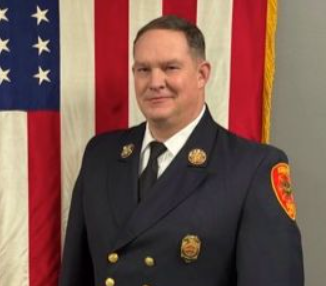
Jason Martin, Fire Chief Keene Fire Department
External & Internal Feedback
External Stakeholder Feedback
On September 29, 2025, ESCI facilitated a community stakeholder feedback session at the Keene Public Library.
As part of the facilitated discussions, ESCI engaged participants in defining the concept of “good service” as it pertains to the role and responsibilities of a fire department within its community. Through this collaborative process, the group identified the following key components:
- Response & Service Delivery: Focus on how quickly and effectively the department responds to calls and meets community needs.
- Skills, Training & Competence: Emphasis on building and maintaining the right skill sets for all-hazards response.
- Professionalism & Leadership: Behavioral standards, leadership quality, and professionalism in service delivery.
- Communication & Collaboration: Internal and external communication practices and cooperative relationships.
- Community Engagement & Public Trust: Strengthening ties with the public and fostering trust.
- Culture & Organizational Foundations: Shared values, consistency, and the work environment that underpins service delivery.
- Safety & Risk Reduction: Commitment to operational safety for personnel and the community.
Building on the definition of “good service,” the group collaborated to articulate the community’s expectations of the Keene Fire Department, reflecting their collective perspective on desired priorities and outcomes. These expectations provide valuable insight into the community’s service priorities and can help guide the department’s strategic planning and future initiatives. The expectations identified include:
- Staffing, Recruitment & Retention: Needs and strategies to ensure adequate and sustainable personnel resources.
- Training, Readiness & Professional Competence: Focus on maintaining readiness, improving skills, and professional development.
- Communication & Engagement: Internal and external communication and the need for stronger engagement.
- Community Connection & Public Trust: Building relationships and understanding with the community and key stakeholders.
- Service Delivery & Performance: Commitment to providing timely, effective emergency services and continuous improvement.
- Leadership & Culture: Opportunities to strengthen leadership alignment, accountability practices, and overall organizational culture.
Keene Fire Department Member Survey
Keene Fire Department (KFD) partnered with Emergency Services Consulting International (ESCI) to conduct a climate survey. ESCI, the consulting firm of the International Association of Fire Chiefs, worked closely with KFD stakeholders to create and deploy a member survey that informed the development of the strategic plan.
On September 1, 2025, the Keene Fire Department deployed the ESCI member survey to its members. The survey remained open to responses until 5:00 pm on September 16, 2025. Thirty-seven (37) members participated in the study, representing 56% of the department’s personnel.
The survey’s participation comprised entirely of full-time staff (100%). The largest group of respondents was those who had been with the department for 0-5 years, representing 64% of the participants. Additionally, 8% reported being with the department for 6-10 years, 28% for 11-25 years, and none (0%) for more than 25 years.
Proposed Mission Statement
To serve our community with courage and compassion.
Proposed Vision Statement
To be a premier fire and emergency services organization — resilient in adversity, adaptable to change, with an unwavering commitment to excellence — safeguarding our community while empowering and supporting our members.
Proposed Values (S.T.R.O.N.G.)
- Service
We put the needs of others first — responding with dedication, compassion, and professionalism to protect and support our community. - Teamwork
We work as one team — united across all ranks and roles — trusting, supporting, and relying on each other to achieve our mission. Our members are our strength. - Respect
We treat everyone with dignity, empathy, and fairness, valuing the contributions of our members and the diverse voices of our community. - Ownership
We take personal responsibility for our actions, our equipment, our growth, and the outcomes of our work — holding ourselves and each other accountable. - Neighbors
We stand with our community — approachable, compassionate, and invested in the safety, well-being, and trust of the people we serve. - Grit
We demonstrate courage, determination, and perseverance — standing strong in the face of adversity and never quitting until the job is done.
Goals
Goal #1 – Grow and Support a Resilient Team
Build and maintain a strong, diverse, and dedicated fire department by enhancing recruitment strategies, supporting career development, and fostering a positive, inclusive work environment focused on attracting qualified candidates while retaining experienced personnel.
- OBJECTIVE 1: Evaluate organizational roles and responsibilities to to ensure alignment with job expectations and industry standards. Participate in City pay and comp study to determine appropriate compensation for all roles.
- OBJECTIVE 2: Strengthen retention efforts by recognizing and rewarding employee contributions through formal recognition programs and offer clear pathways and support for long-term professional goals.
- OBJECTIVE 3: Foster a positive and inclusive work environment, regularly assessing workplace culture through feedback surveys and adjust policies as needed.
- OBJECTIVE 4: Enhance recruitment strategies through targeted recruitment campaigns and engagement partnerships with educational and professional institutions.
- OBJECTIVE 5: Build organizational resiliency to ensure staffing levels and resources meet operational and administrative needs.
Goal #2 – Improving Readiness Through High Quality Training
Strengthen operational readiness through consistent, well-supported training that enhances skills, prepares future leaders, and fosters a culture of accountability, adaptability, and continuous growth.
- OBJECTIVE 1: Prioritize training as a core organizational function by dedicating time, resources, and staff support, while proactively securing funding and coordinating schedules to ensure consistent delivery and participation.
- OBJECTIVE 2: Strengthen the organization’s future leadership by investing in structured leadership development, mentorship, and officer training programs that cultivate capable, confident, and prepared leaders at every level.
- OBJECTIVE 3: Broaden workforce skills and perspectives by expanding access to diverse internal and external training opportunities and programs that support professional growth and operational excellence.
- OBJECTIVE 4: Strengthen the success of new hires and recruits by investing in structured onboarding and mentorship programs that accelerate integration, build confidence, and support long-term growth within the organization.
- OBJECTIVE 5: Standardize core training programs to deliver consistent, high-quality instruction across all shifts and members, ensuring comprehensive coverage of all required disciplines.
Goal #3 – Enhance Organizational Culture and Communication Processes
We will strengthen our culture by building on camaraderie, inclusivity, and mutual support, while improving consistency, communication, and accountability.
- OBJECTIVE 1: Reinforce service-oriented values into policy and member recognition by embedding organizational values into department policies, performance evaluations, and recognition programs to strengthen cultural resilience towards a shared mission.
- OBJECTIVE 2: Establish transparent feedback channels and accountability processes across all ranks to encourage open dialogue, address issues constructively, and ensure actions align with organizational values.
- OBJECTIVE 3: Foster cohesion and inclusivity across all ranks by implementing structured initiatives that promote camaraderie, mutual support, and respect within the paramilitary framework.
- OBJECTIVE 4: Standardize communication channels and protocols by implementing consistent communication practices across the chain of command to reduce information gaps, ensure clarity of directives, and maintain accountability at all levels.
- OBJECTIVE 5: Foster empowering leadership by implementing a comprehensive program that builds trust, strengthens delegation skills, and promotes growth through targeted training, coaching, and a supportive policy framework.
Goal #4 – Advancing Operational Excellence
Advancing operational excellence through the application of policies, standards, and continual investment in apparatus and equipment to ensure the highest level of service delivery, firefighter safety, and community risk reduction.
- OBJECTIVE 1: Advance data-driven decision-making by improving accurate data collection and analysis to guide resource deployment, enhance response efficiency, reduce risk, and strengthen firefighter safety, while promoting accountability and transparent service to the community.
- OBJECTIVE 2: Enhance apparatus and equipment through strategic replacement, acquisition, maintenance, and integration of modern technology to ensure reliability, safety, and operational efficiency.
- OBJECTIVE 3: Develop and implement internal policies and procedures that align with current industry standards and best practices to guide operations, enhance safety, and strengthen training.
- OBJECTIVE 4: Continuously evaluate and adjust staffing models based on workload, call volume, and risk analysis to ensure adequate crew size, effective shift coverage, and reliable response capabilities.
Goal #5 – Strengthen Community Relations Through Education and Outreach
Foster a more engaged, informed, and connected community by providing accessible educational opportunities and proactive outreach initiatives that aims to deepen relationships, reduce barriers, and supports community resilience and cohesion.
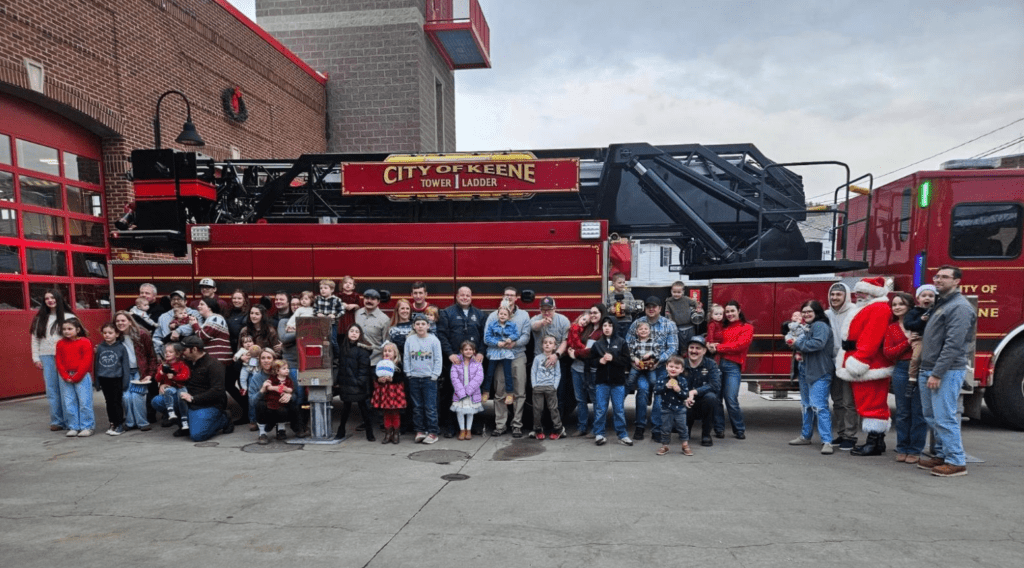
- OBJECTIVE 1: Increase community visibility and accessibility by hosting open houses, station tours, and other outreach programs that build trust and foster personal connections with community members.
- OBJECTIVE 2: Strengthen community outreach by building local partnerships and implementing proactive strategies that enhance safety awareness, foster trust, and deepen community engagement.
- OBJECTIVE 3: Develop and deliver targeted fire safety and medical education campaigns that measurably increase community knowledge, improve public safety outcomes, and strengthen trust through sustained outreach and engagement.
- OBJECTIVE 4: Enhance youth engagement by partnering with local schools to deliver educational programs that promote fire and life safety, build awareness, and inspire future community involvement.
Goal #6 – Building a Resilient Workforce by Advancing Member Health, Wellness, and Sustainability
Build a resilient workforce by advancing member health, wellness, and long-term sustainability through comprehensive programs that promote physical fitness, mental well-being, and a supportive organizational culture, ensuring members are prepared to thrive both on and off duty.
- OBJECTIVE 1: Embed wellness into the organization’s culture and policies by prioritizing a healthy workforce, modeling positive practices at all levels, and ensuring accountability through consistent words and actions.
- OBJECTIVE 2: Normalize mental health support by fostering a culture that encourages open dialogue, reduces stigma, and provides education and accessible resources at all levels of the organization.
- OBJECTIVE 3: Foster a supportive work environment that promotes open communication and peer-to-peer support networks, building trust and psychological safety so members feel valued, understood, and supported in balancing work demands with personal well-being.
- OBJECTIVE 4: Strengthen emotional resilience by implementing regular training in emotional intelligence, stress management, and coping strategies to help members navigate high-stress environments and maintain emotional well-being on and off duty.
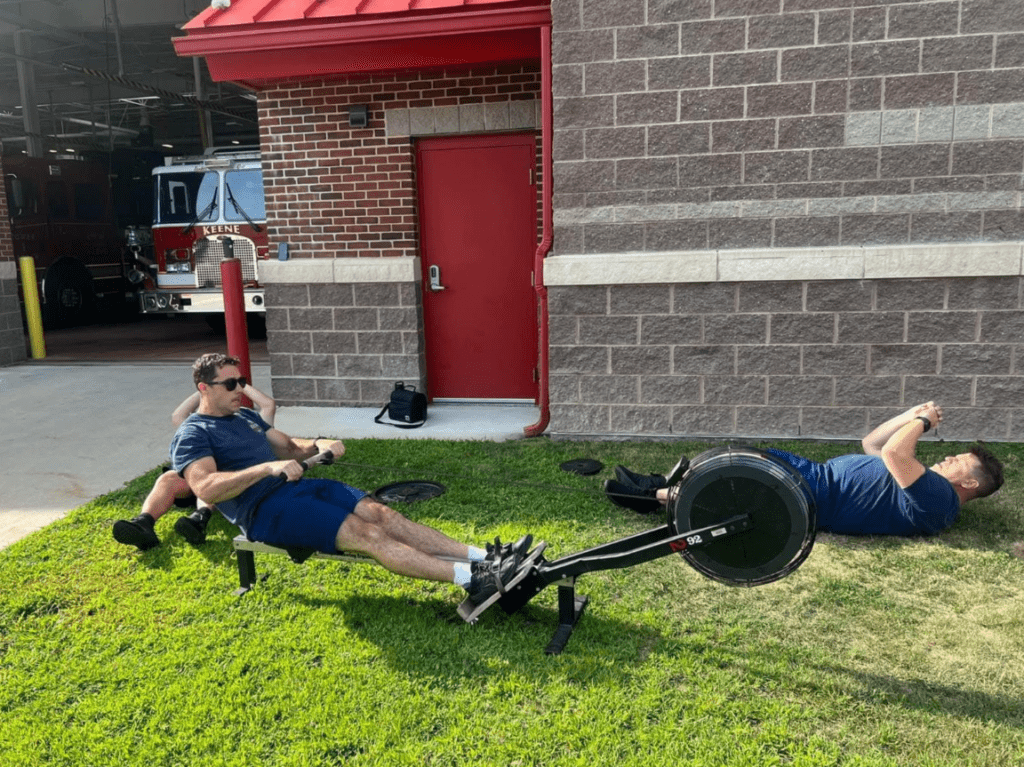
- OBJECTIVE 5: Prioritize comprehensive wellness by implementing department-wide initiatives that address physical fitness, nutrition, sleep hygiene, stress management, and recovery, ensuring all members have access to resources that promote long-term health and resilience.
↵ to Activate